Web design for plumbers, built to be checked
People find a plumber somewhere else, then open the site to see if the licence is real and the business is who it says it is.
- $298 a month
- Website for plumbers, AUD, GST inclusive
- No build fee
- We carry the cost of the build and recover it through the monthly fee over a 12 month term
- Live in 48 hours
- Hosting on Cloudflare, SSL and security upkeep
The licence number is a legal item, not decoration
NSW Fair Trading, QBCC (Queensland) and the WA Plumbers Licensing Board
NSW requires the licensee name, licence number with the category of work, and a business phone number in all advertising, including the internet. Queensland requires the licensed name and QBCC number. Western Australia requires the licence number in any advertisement, with a fine of $2,000 under regulation 25.
The licence block goes in the header or footer of every page and beside each plumbing, drainage and gas service. In Victoria we link the Building and Plumbing Commission check tool and state no advertising rule, because we found none.
Read the NSW advertising ruleFive kinds of visitor, one site
Most of them arrived from the map, a referral or a quote request. The site is where they decide.
- Caller with a leak
- Now
- Your number at the top of the page, dialling on a tap, with your hours and the suburbs you reach.
- Hot water replacement
- Days to weeks
- The systems you fit, what changes the price, how long a swap takes and photos of your own installs.
- Recurring blockage
- Soon
- A page on how you find the cause before you quote, and which drainage work your licence covers.
- Gas appliance fit
- Planned
- Gas fitting named separately, with the gas licence shown beside it.
- Agent or strata manager
- Repeat work
- A page on attending without the owner there, insurance and invoice terms.
What the site is for
The top of every page carries the number, the hours and the licence. Each job you want more of gets its own page.
A plumber's site is read by two people. One is in a hurry and has the number in a thumb's reach. The other has found you through a referral, a quote request or the map, and is checking. Consumer regulators tell that second person to ask for several quotes and to look up the licence number, so the check is normal. The site makes it quick.
We build the licence block once and reuse it, with the wording for your state. The scope list comes next: plumbing, drainage and gas fitting named separately, so a hot water caller is never sent to a gas leak page. A price guide follows, written so that a customer can add it up. Then the quote form, which asks for a name, a phone or an email, and a comment.
Say where you work
Local
A mobile plumber has one Business Profile for the whole area, so the site has to carry the suburb detail.
- A service area list that matches the profile and the places you really drive to
- Opening hours on every page that match when the phone is answered
- An honest line for after hours, either an answered number or the next business day
- One service area page per patch where you have jobs to show
Trade sites we have built
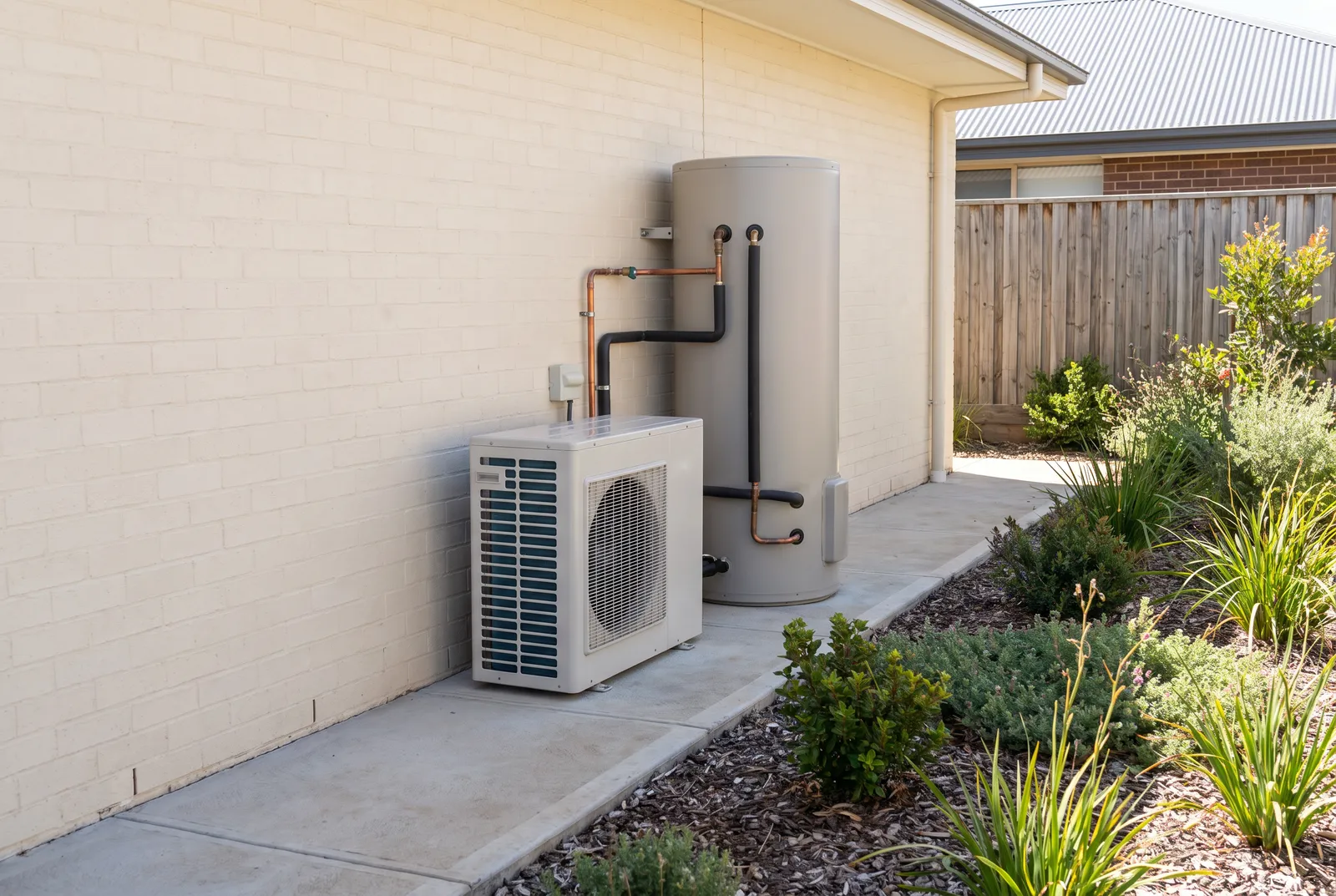
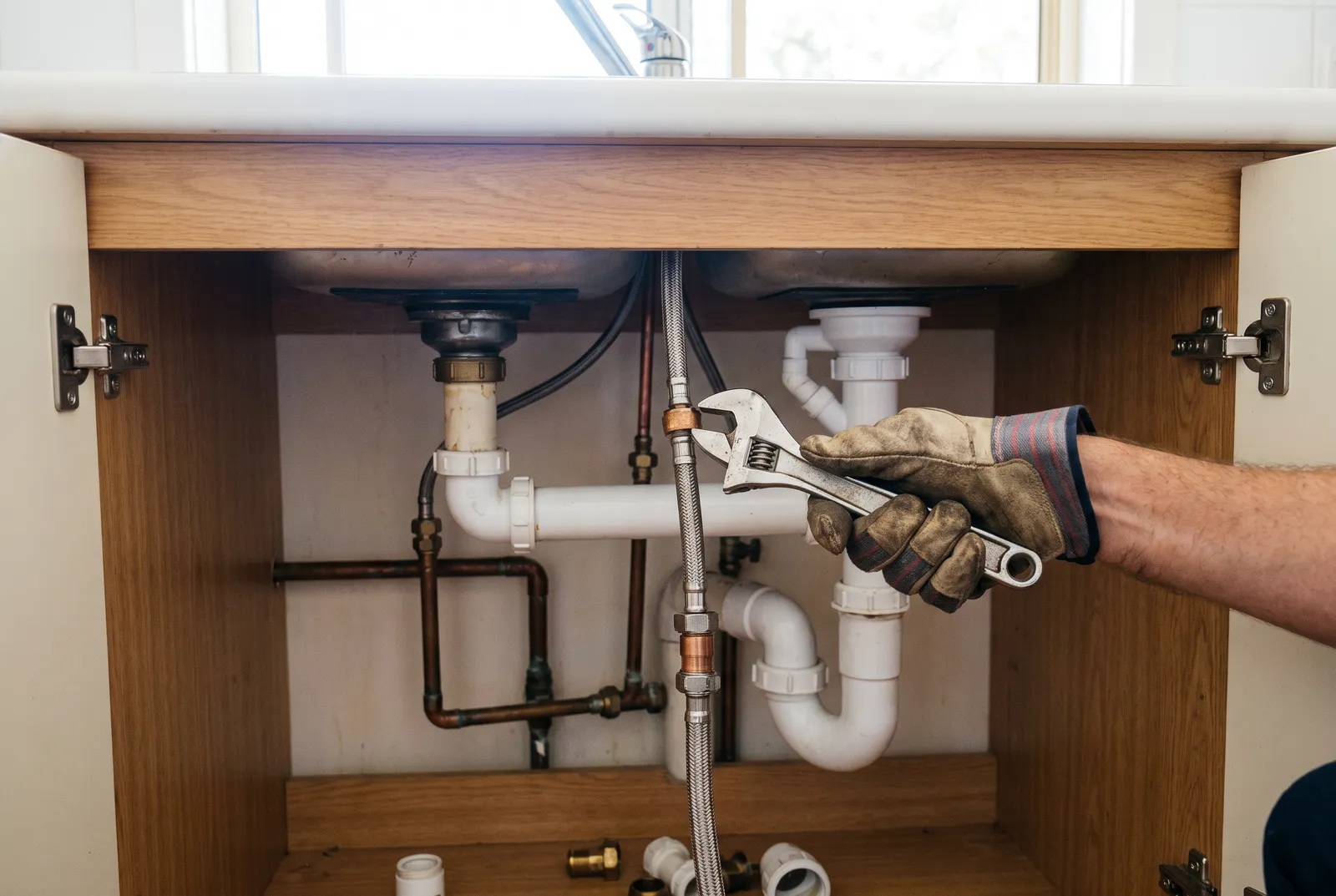
We run no plumbing site yet. These two trade sites show how we build for a phone number, a service area and a quote form. They are not plumbing results.
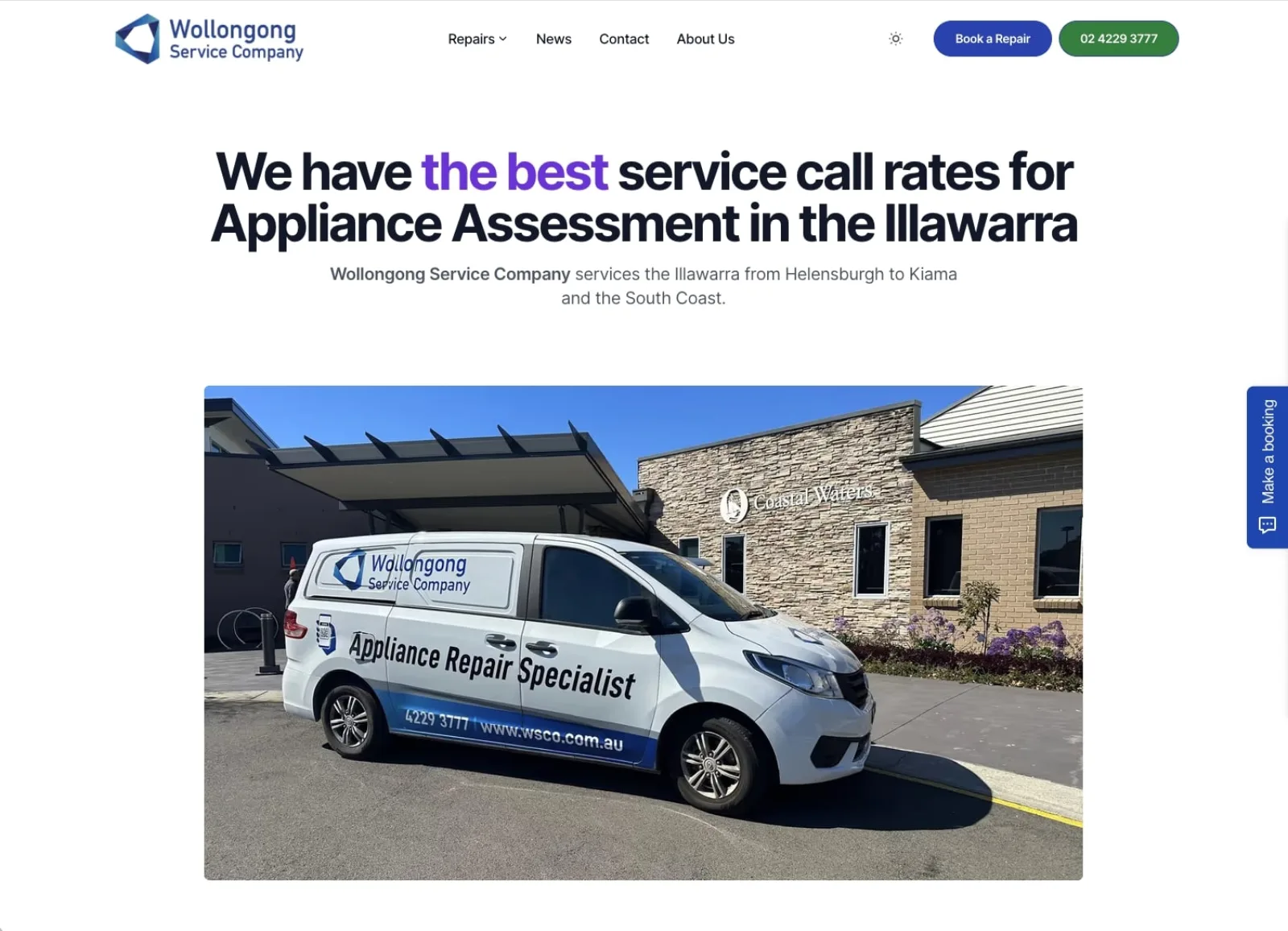
Wollongong Service Company
~200Enquiries a month
An Illawarra appliance repair business with a 20 year reputation now gets about 200 enquiries a month from a tradie website built for phones and local search.
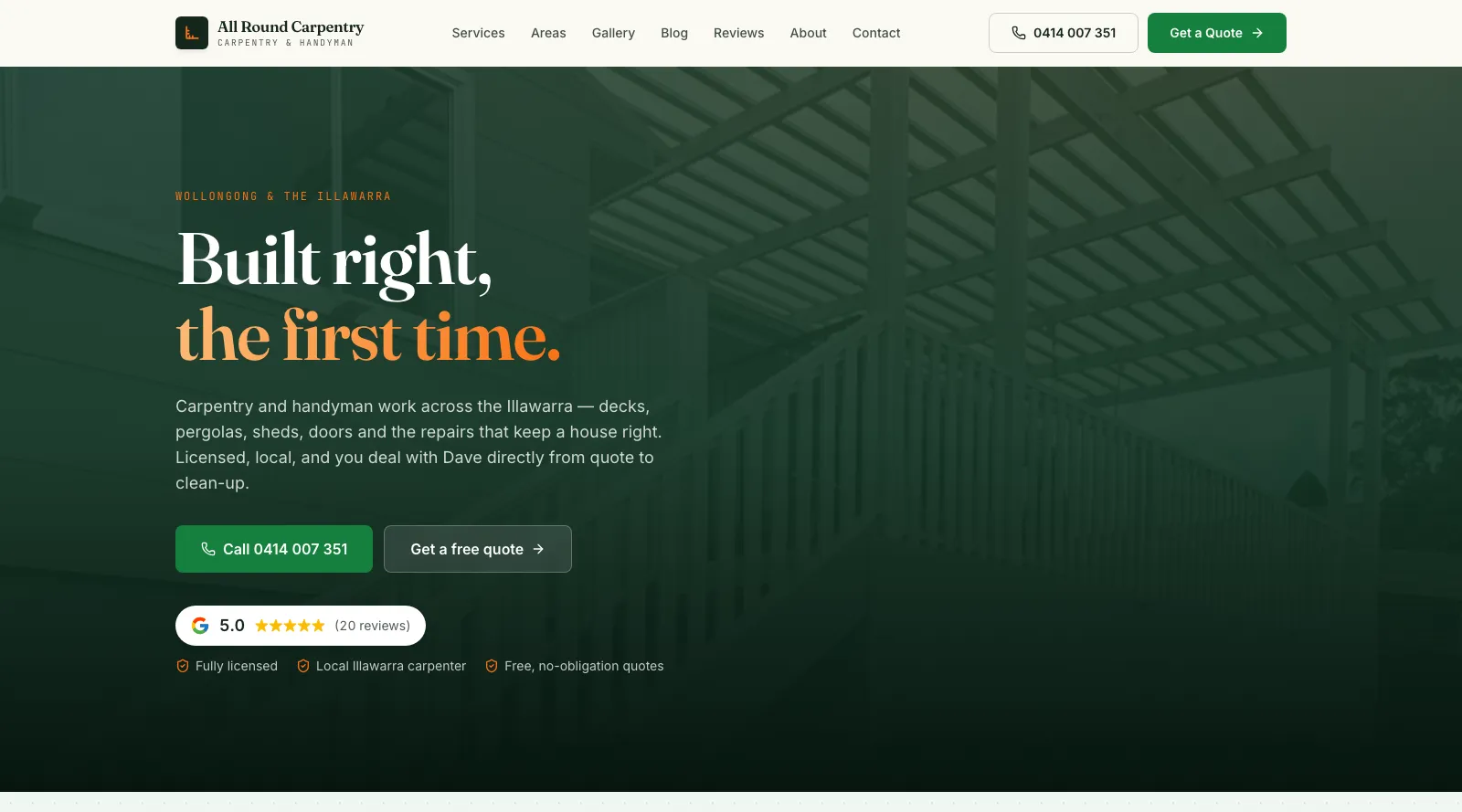
All Round Carpentry
5xMore Google impressions
One carpenter, Helensburgh to Nowra: 18 suburb pages, 11 services and his own photos, and Google now shows the site about five times as often.
Web design for plumbers: your questions
Does my website count as advertising for licence rules?
What should a plumber's home page show first?
Can the site show a price range for a blocked drain?
How many pages does a plumbing site need?
What does the quote form ask?
Should the site have an after hours number?
Can I show customer reviews on the site?
Do you use stock photos of plumbers?
A website for plumbers, built and run for you.
$298 a month AUD, no upfront build fee.